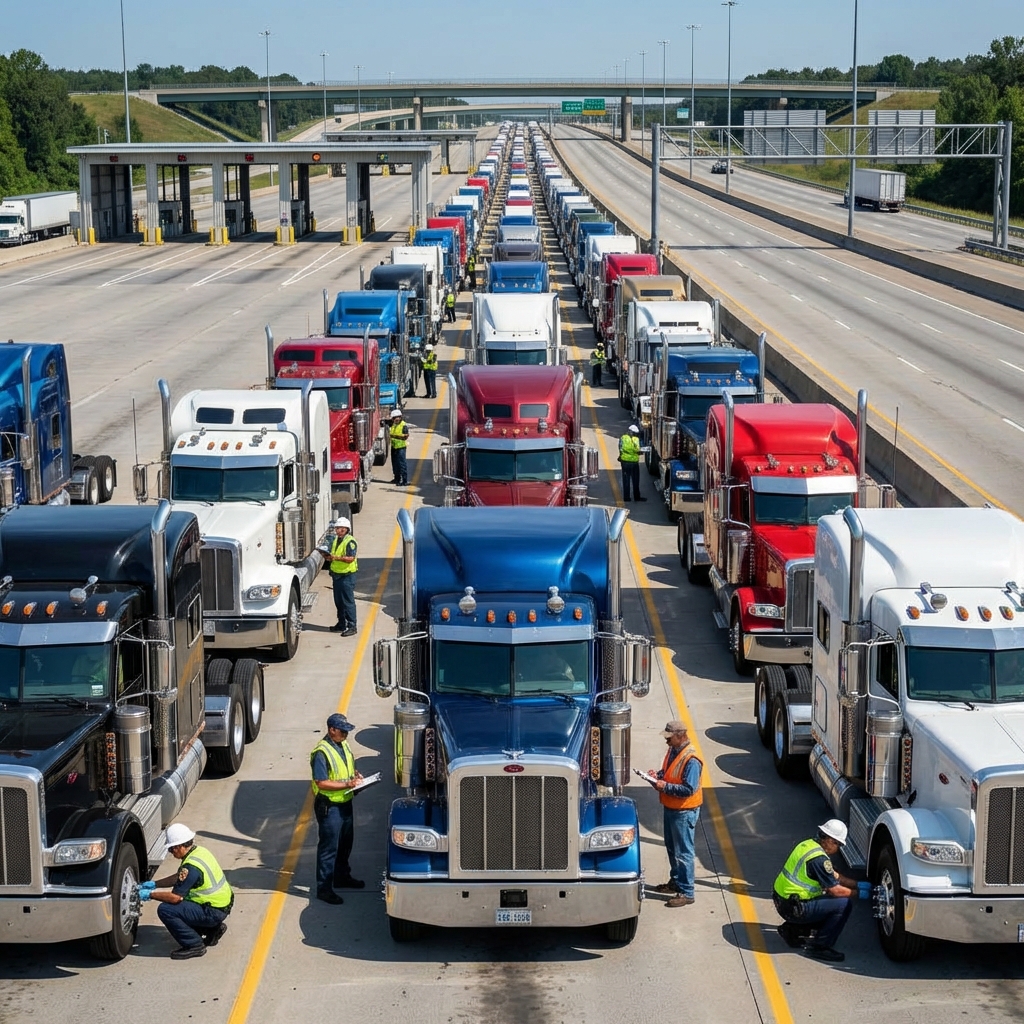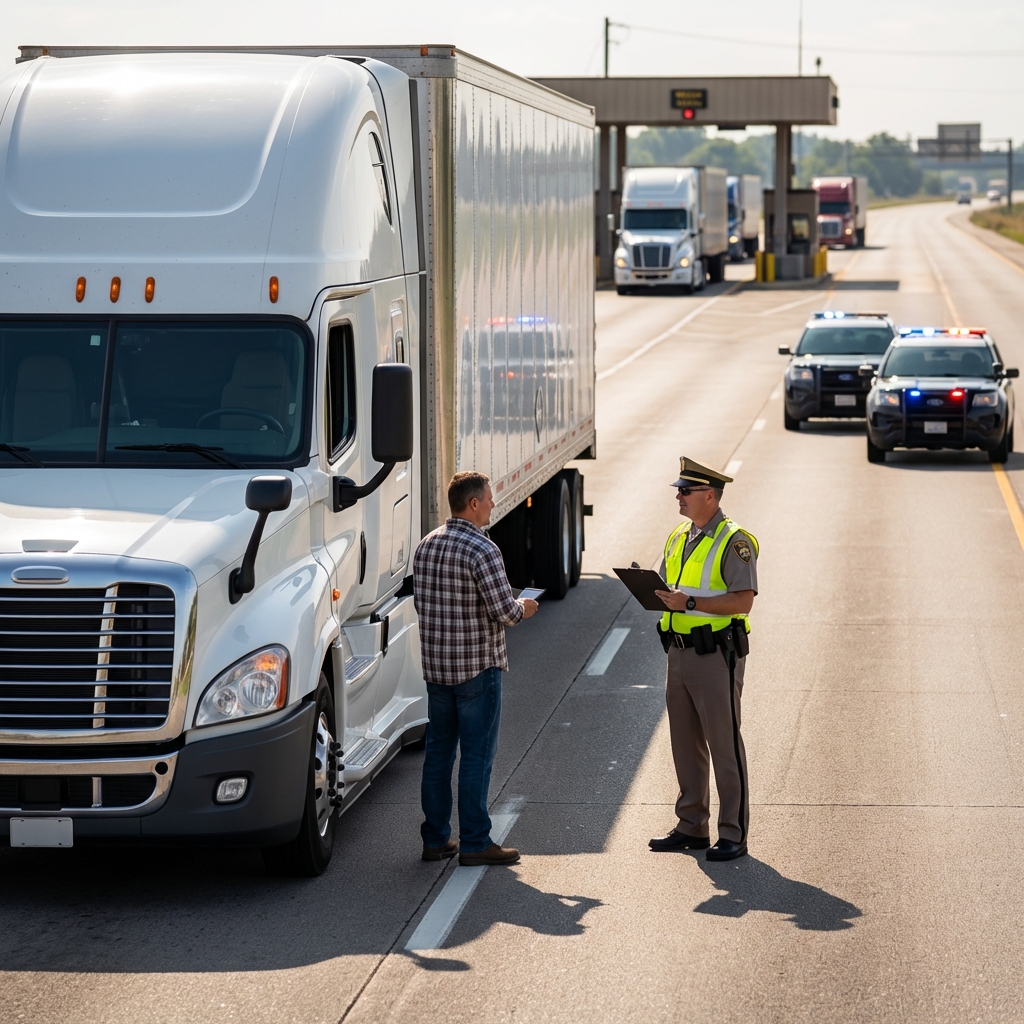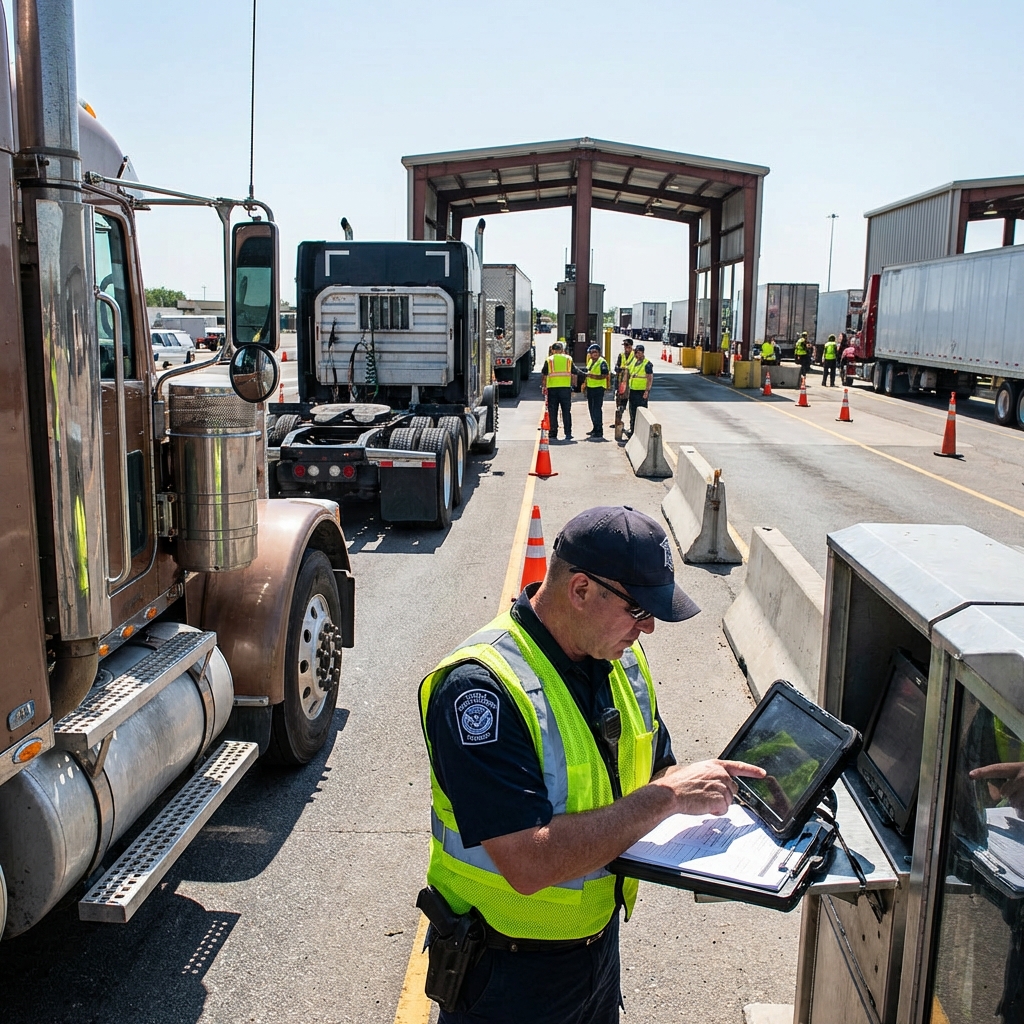
Winter conditions in 2026 amplify risks—black ice, reduced traction, longer stopping distances (up to 10x on ice), and fatigue from cold/dark hours. FMCSA HOS rules still apply strictly, but pilots may offer break flexibility for delays.
Essential Winter Preparation and Driving Tips
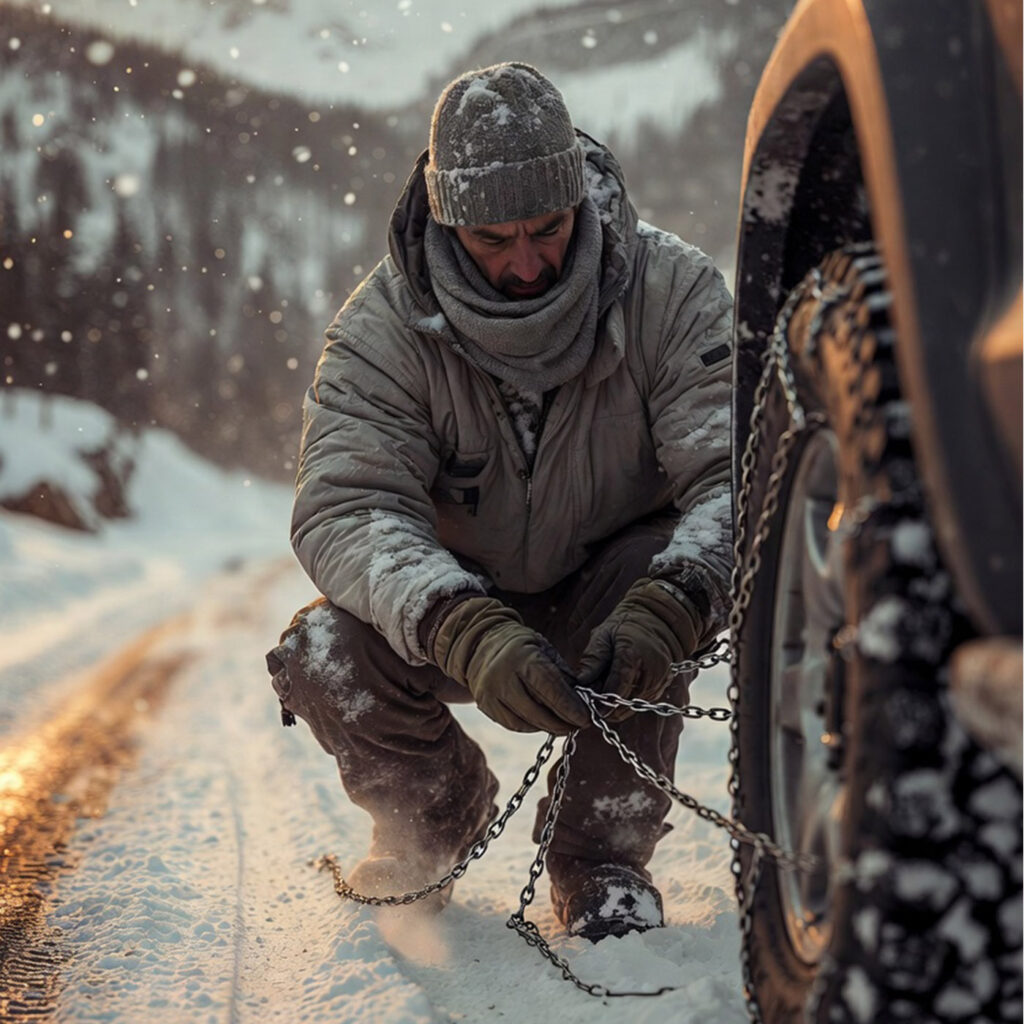
- Vehicle Prep: Winter tires/chains (carry for required states), antifreeze, battery checks, extra fuel anti-gel, emergency kit (blankets, food, shovel, traction aids).
- Speed & Control: Reduce speed 30–50%; no cruise control on slick roads; gentle acceleration/braking to avoid jackknifes.
- Black Ice Awareness: Bridges/overpasses freeze first—assume invisible ice; scan 12–15 seconds ahead.
- Following Distance: Triple normal (at least 4–6 seconds); stay back from snowplows (4+ car lengths, avoid crowding).
- Maneuvers: No sudden turns; use engine braking sparingly; if sliding, steer into skid.
- Visibility & Gear: Clean mirrors/windows/lights; use low beams; defrosters on high.
- Emergency Response: If stuck, stay with truck, run engine sparingly for heat.
Plan routes for weather; delay if severe.
CDL Consultants: Defense for Winter Violations
Winter tickets (e.g., speeding in snow, improper chains) heavily impact CSA/Unsafe Driving BASICs. CDL Consultants fights these nationwide—reductions/dismissals, DataQ challenges—affordable flat-fee to minimize score damage.
FAQs
- Chain requirements? Vary by state/conditions—check forecasts.
- Black ice tip? Slow down, assume presence on bridges.
- HOS in winter? No changes, but pilots may help with delays.
Navigate winter safely, protect your record with CDL Consultants. Contact today.