Background of the CDL License Cancellations
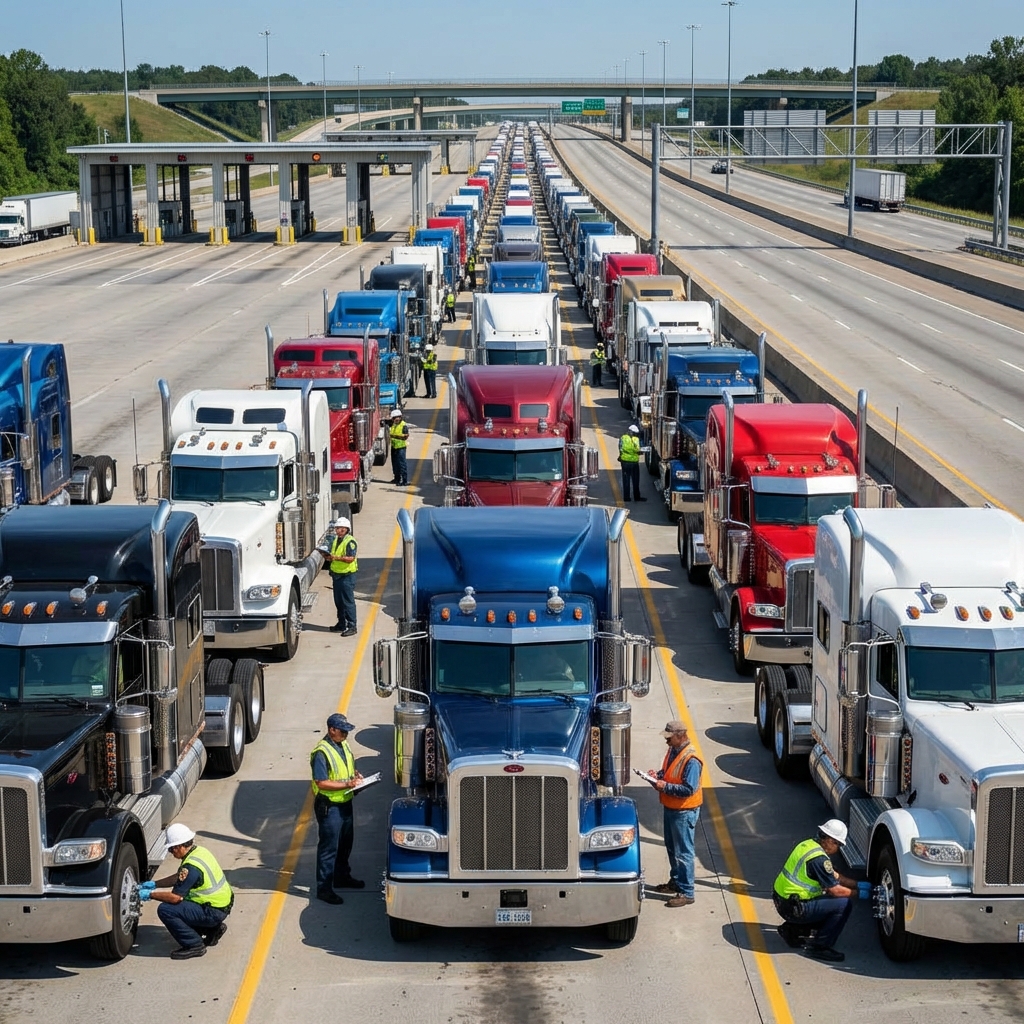
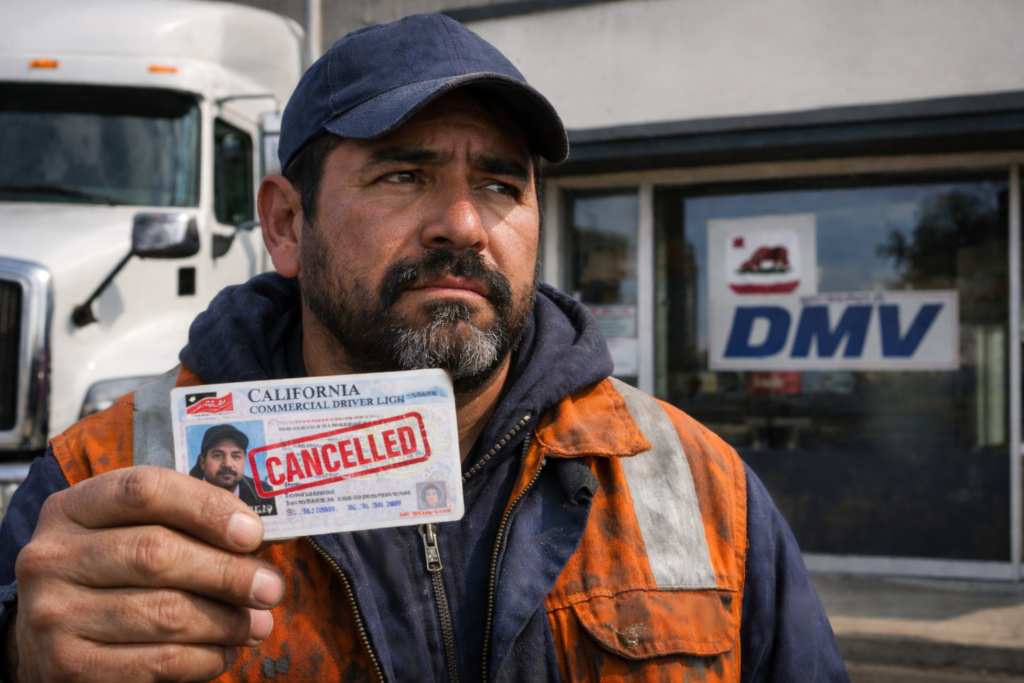
Effective March 6, 2026, the California Department of Motor Vehicles (DMV) cancelled approximately 13,000 non-domiciled commercial driver’s licenses (CDLs). These are licenses issued to drivers who are not U.S. citizens or lawful permanent residents (including holders of certain visas, refugees, asylees, and others with temporary work authorization).
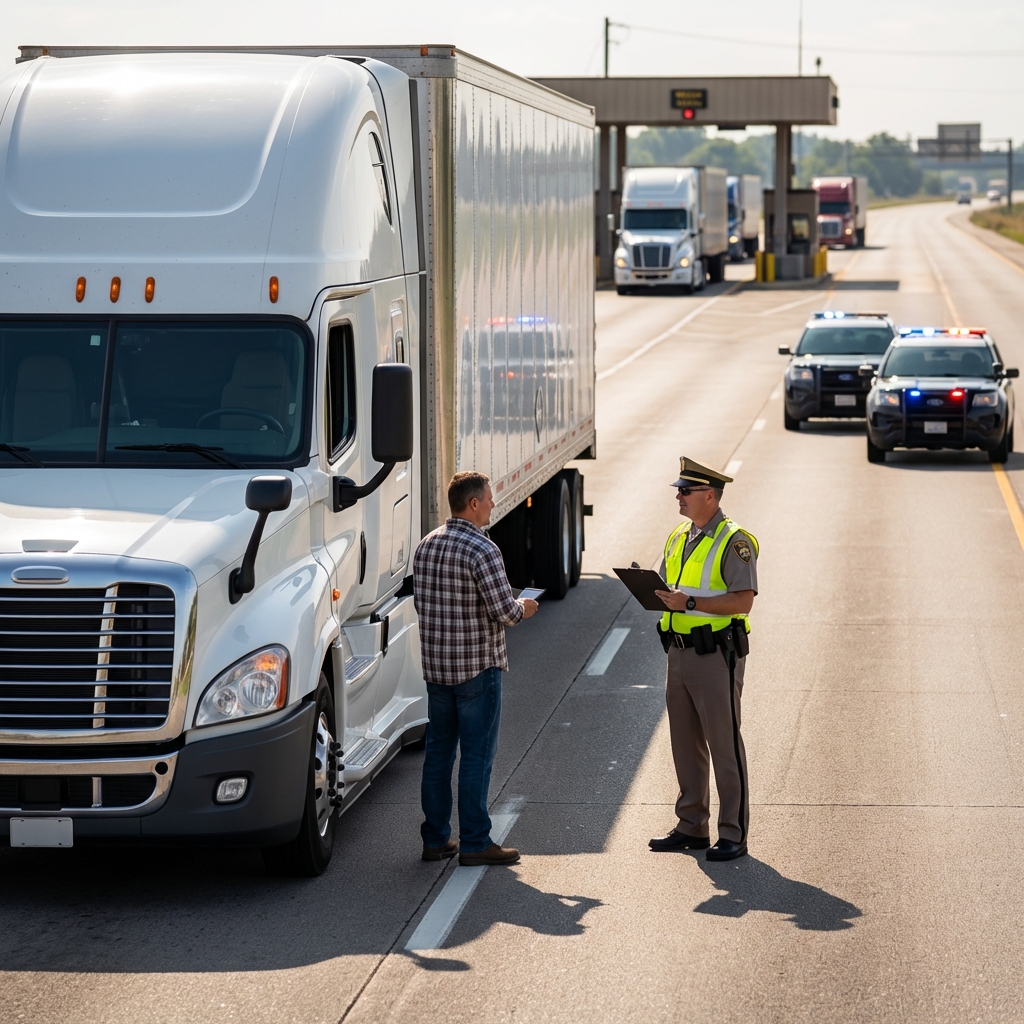
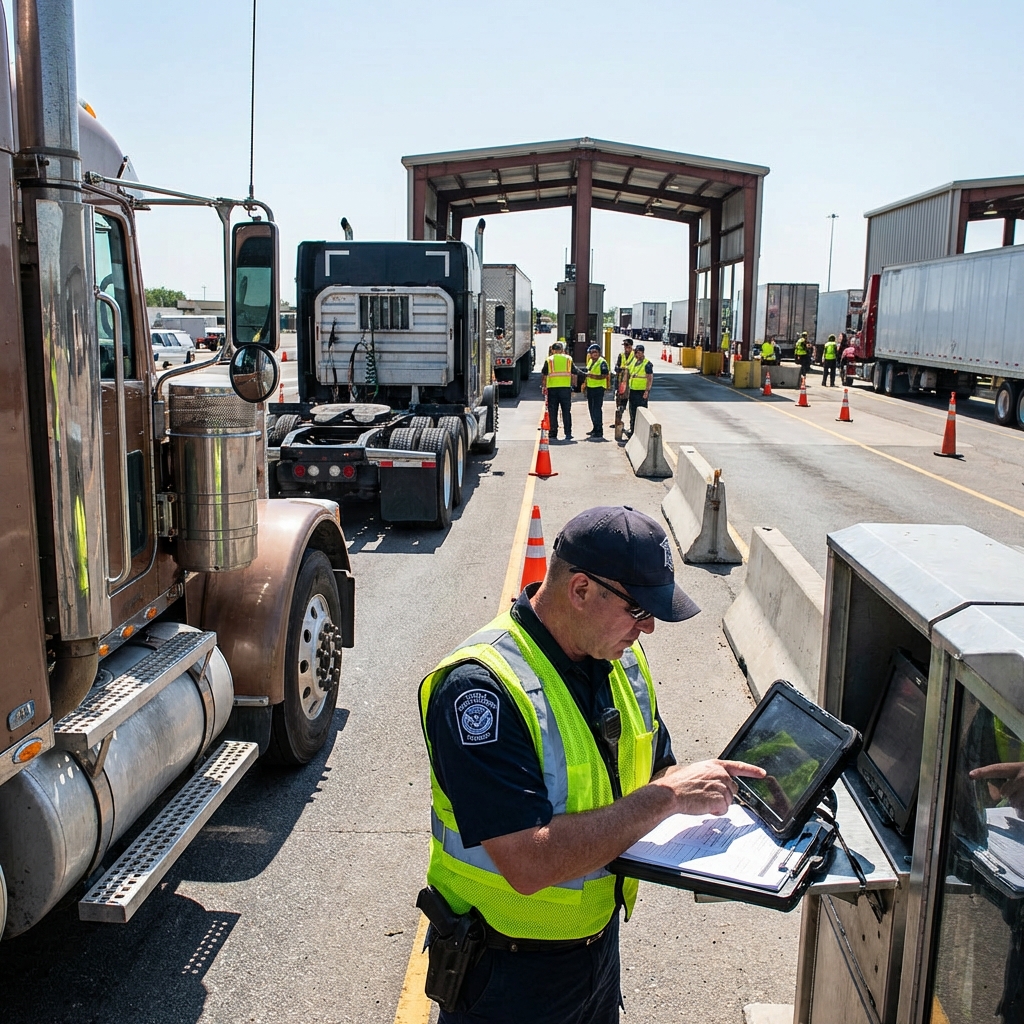
The action was required by federal authorities, specifically the Federal Motor Carrier Safety Administration (FMCSA), following a compliance audit that identified improper issuances. Affected drivers had previously received cancellation notices from the DMV.
For CDL consultants, training schools, and compliance advisors, this is more than a regulatory headline—it represents immediate consequences for thousands of drivers and the companies relying on them, amid ongoing federal scrutiny of non-domiciled licensing nationwide.
Understanding the details—and implications moving forward—is essential for anyone advising drivers in the U.S. commercial trucking industry.
Why California Cancelled Thousands of Non-Domiciled CDL Licenses
The cancellations stem from a federal compliance review of California’s CDL issuance processes for non-domiciled drivers. FMCSA’s audit (including its 2025 Annual Program Review) found that a significant portion of these licenses were issued in violation of federal regulations, particularly 49 CFR Parts 383 and 384.
Key issue: Limited-term CDLs for non-domiciled drivers must expire on or before the end of the driver’s documented lawful presence/work authorization (e.g., tied to Form I-94 or equivalent). Audits revealed cases where CDL expiration dates extended beyond this lawful presence period, leading to improper issuance.
After negotiations, deadlines, legal challenges, and withheld federal highway funding, California implemented the cancellations effective March 6, 2026. Not all non-domiciled CDL holders were affected—only those identified in prior notices.
The Human and Economic Impact on Drivers
The cancellations took effect suddenly for notified drivers, immediately prohibiting them from operating commercial vehicles.
Many affected drivers had legal work authorization and had built careers in trucking, often supporting families in communities where immigrant labor forms a key part of the workforce. Loss of CDL status can lead to unemployment, financial hardship, and supply chain disruptions in California’s freight-heavy economy.
Affected individuals can apply for a standard non-commercial Class C driver’s license to continue driving personal vehicles.
Options Available to Affected Drivers
However, regaining commercial privileges requires reapplication and compliance with current rules—though the DMV is currently barred from issuing new non-domiciled CDLs due to an FMCSA-mandated pause (pending applications remain held for up to one year).
Legal Challenges and Regulatory Complexity
The situation has sparked confusion, advocacy, and litigation. Driver groups argue the revocations unfairly impact workers who obtained licenses legally under prior processes, sometimes due to administrative mismatches.
California sought court relief (including an emergency stay) to reissue corrected licenses, but federal courts denied key requests. A state court ruling allowed reapplications, but FMCSA’s directive prevents issuance until lifted.
Commercial licensing involves intertwined state administration and federal oversight (FMCSA/DOT), plus immigration documentation—making resolutions complex.
What This Means for CDL Consultants
This enforcement highlights the tight link between commercial licensing, immigration/work authorization status, and federal transportation rules.
Key factors to monitor when advising drivers:
- Exact expiration of work authorization/legal presence documents
- Strict alignment: CDL must not extend beyond lawful presence
- FMCSA compliance standards for non-domiciled issuance
- State interpretations and any federal directives/pauses
Even minor timeline mismatches can trigger revocation, job loss, or legal issues. Consultants now serve as essential regulatory navigators, helping ensure ongoing compliance.
The Bigger Picture for the Trucking Industry
This California action signals heightened federal scrutiny of non-domiciled CDL programs nationwide. FMCSA’s new Final Rule (effective March 16, 2026) further restricts eligibility for new non-domiciled CDLs/CLPs to specific categories (primarily H-2A, H-2B, and E-2 visa holders), excluding many prior qualifiers like certain asylees, refugees, TPS holders, or EAD-based applicants.
The trucking sector already faces driver shortages and rising freight demand—large-scale revocations amplify ripple effects on carriers, logistics, and local economies.
For consultants and trainers, this environment elevates the value of accurate, proactive guidance.
The Role of CDL Consultants in a Changing Regulatory Landscape
The cancellation of approximately 13,000 non-domiciled CDLs is a regulatory milestone, underscoring the intersection of federal transportation law, immigration policy, and state licensing.
For CDL consultants, the priorities are clear:
- Stay current on FMCSA regulations and updates (including the March 16, 2026 Final Rule)
- Track immigration-related documentation and expiration rules closely
- Assist drivers in maintaining aligned, compliant records
- Offer proactive advice to prevent issues before they arise
In a fast-evolving system, knowledgeable advisors provide more than training—they deliver trusted navigation through complex requirements. Drivers need this support now more than ever.