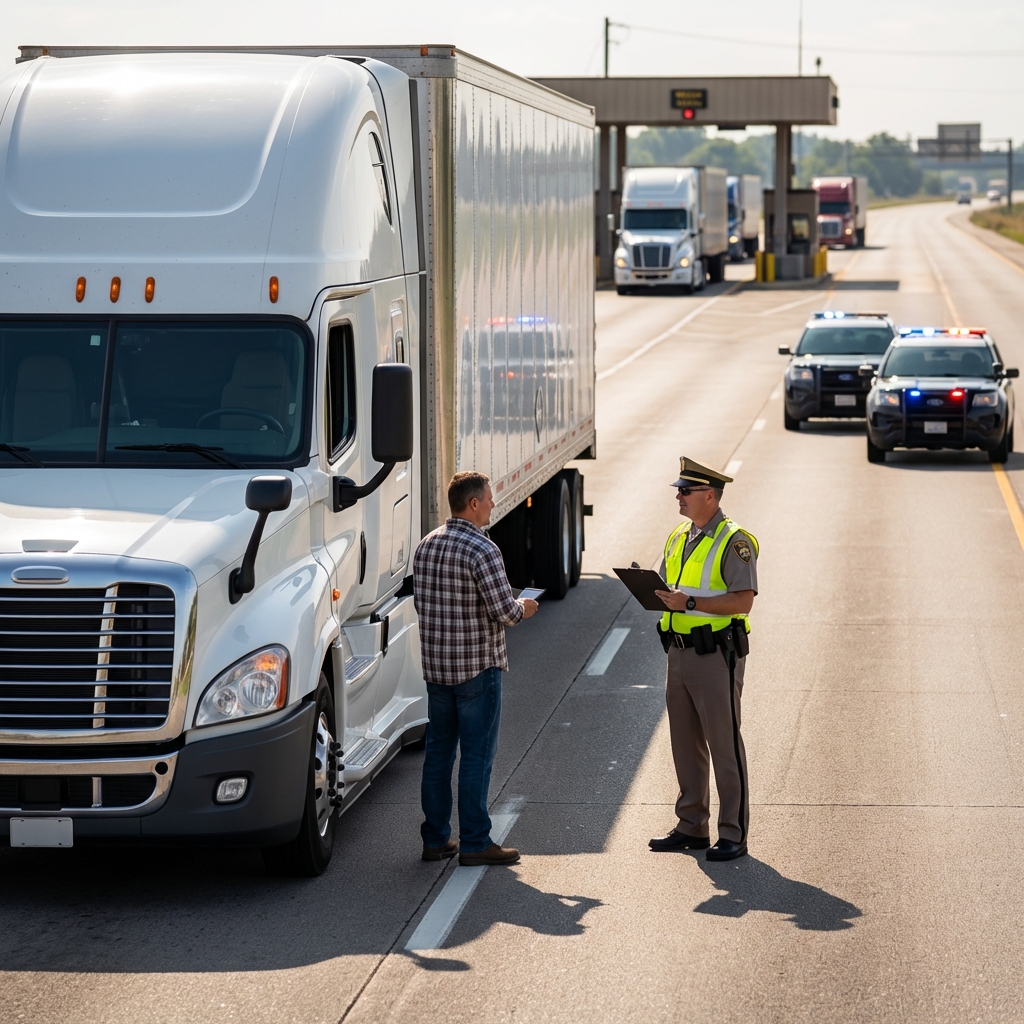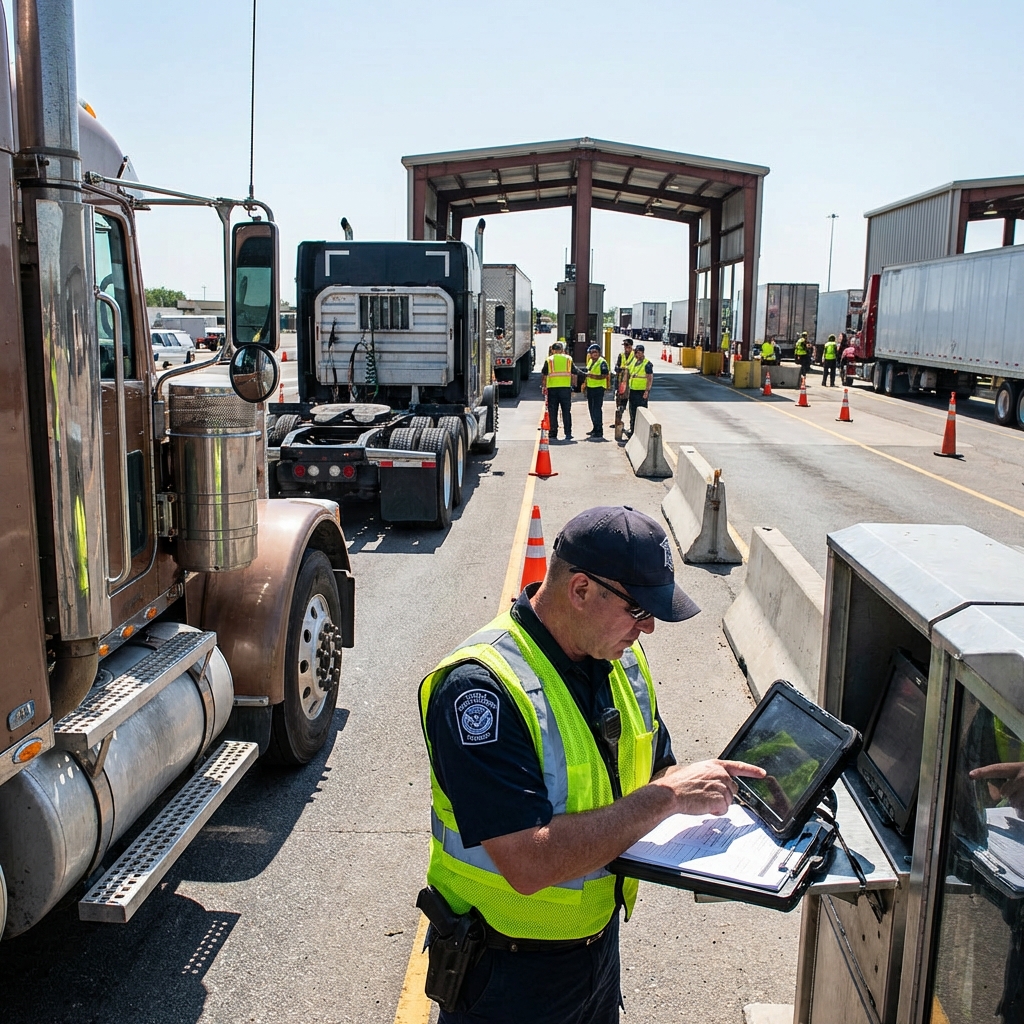

Every year, fatigue quietly causes more close calls and costly mistakes than most drivers like to admit—and CDL Consultants treats fatigue as a business risk as much as a safety risk. Understanding Hours of Service (HOS) is step one; using those rules to build a realistic fatigue management plan is where CDL Consultants helps fleets and drivers stand out.
The HOS basics, simplified
For most property‑carrying CDL drivers, the Federal Motor Carrier Safety Administration (FMCSA) sets clear limits:
- Up to 11 hours driving after 10 consecutive hours off duty.
- No driving after the 14th consecutive hour on duty.
- A 30‑minute break after 8 cumulative hours of driving.
- Weekly caps of 60 hours in 7 days or 70 hours in 8 days, with the option for a 34‑hour restart.
The Interstate Truck Driver’s Guide to Hours of Service shows how to combine sleeper‑berth time, off‑duty time, and driving to stay legal and rested. CDL Consultants uses these official examples to train drivers and dispatchers in a way that matches real loads and delivery windows, not textbook days.
From “legal” to truly rested
Being legal is the floor; being alert is the goal. CDL Consultants teaches drivers and fleets to look at logs and ask, “Could this schedule keep a human being truly rested for weeks at a time?”
Core fatigue‑management practices CDL Consultants promotes:
- Route design with built‑in recovery: Align long hauls with regular 34‑hour reset opportunities at safe, decent locations—not random parking lots.
- App & ELD combinations: Use compliant ELDs plus parking and trip‑planning apps to secure parking before you’re desperate and out of hours.
- Health‑first routines: Encourage drivers to use part of their off‑duty window for consistent sleep, light exercise, and real meals; the HOS guide makes clear that “off‑duty” is not just paperwork—it’s meant for genuine rest.
Coaching dispatch and management
Many fatigue problems don’t start with drivers—they start with dispatch and planning. CDL Consultants runs training for office staff that covers:
- How to assign loads that respect HOS and realistic drive times.
- Recognizing red‑flag patterns in ELD data (chronic “running on fumes” near the 14‑hour mark).
- Building an internal policy that protects a driver’s right to say, “I’m not safe to drive,” without retaliation.
Why bring in CDL Consultants
Because CDL Consultants looks at the entire picture—HOS rules, ELD data, route planning, and driver health—fleets can cut fatigue‑related violations and near‑misses while still hitting delivery targets. Drivers gain confidence that the company’s system supports sleep, not just miles, and that makes safety truly sustainable.