Why Following Too Close Is So Dangerous for CDL Holders
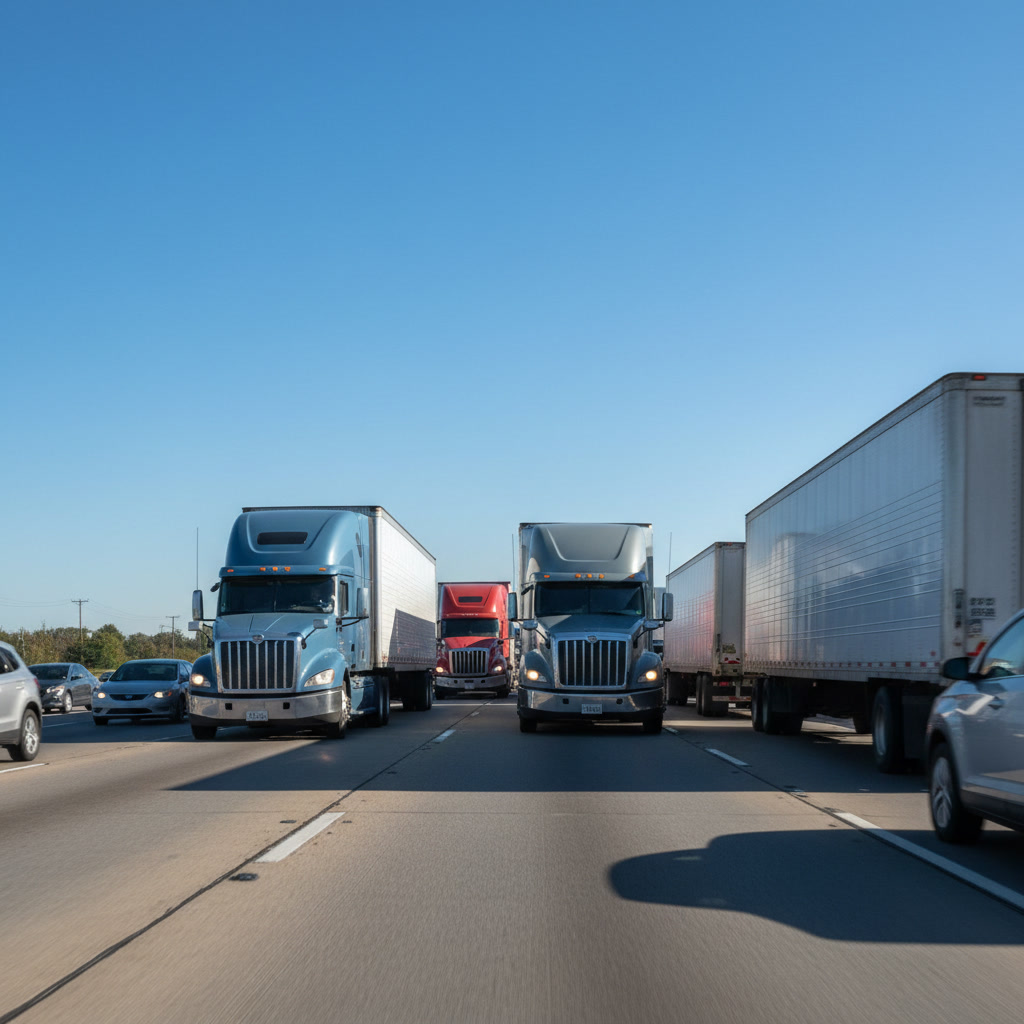
“Following too close” is classified as a serious traffic violation under FMCSA rules. Two in three years = 60-day disqualification. Three = 120 days off the road. And these tickets are almost always based entirely on the officer’s estimation—making them one of the most challengeable violations on the books.
Evidence That Wins These Cases
When handled correctly, dashcam footage, forward-facing camera systems, GPS following-distance logs, traffic-condition reports, and supporting documents routinely get these tickets reduced to non-moving violations or dismissed outright.
What Determines Whether You Win or Lose
The difference between a conviction and a clean record comes down to three things:
- Preserving objective evidence immediately (don’t let 30 days pass)
- Having someone who knows how to get that evidence admitted in court
- Understanding the difference between state law and FMCSA definitions
Why Drivers Often Lose Unnecessarily
Many drivers accept these tickets because they feel there’s “no proof” on their side. The reality is the officer usually has even less proof—just an opinion written on a citation.
Can You Afford Months Without Driving?
Ask yourself: can you afford two months (or four) without driving because of someone else’s judgment call in heavy traffic?
Why CDL Consultants Should Defend Your Case
CDL Consultants defends following-too-close cases nationwide every week. We know exactly what evidence courts in your jurisdiction accept and how to present it for maximum impact—usually without you ever leaving the truck. Contact us the same day you get pulled over. Waiting even a week dramatically reduces your options. Your CDL is worth one phone call.