Military Technicians Are Getting More Recognition in CDL Policy
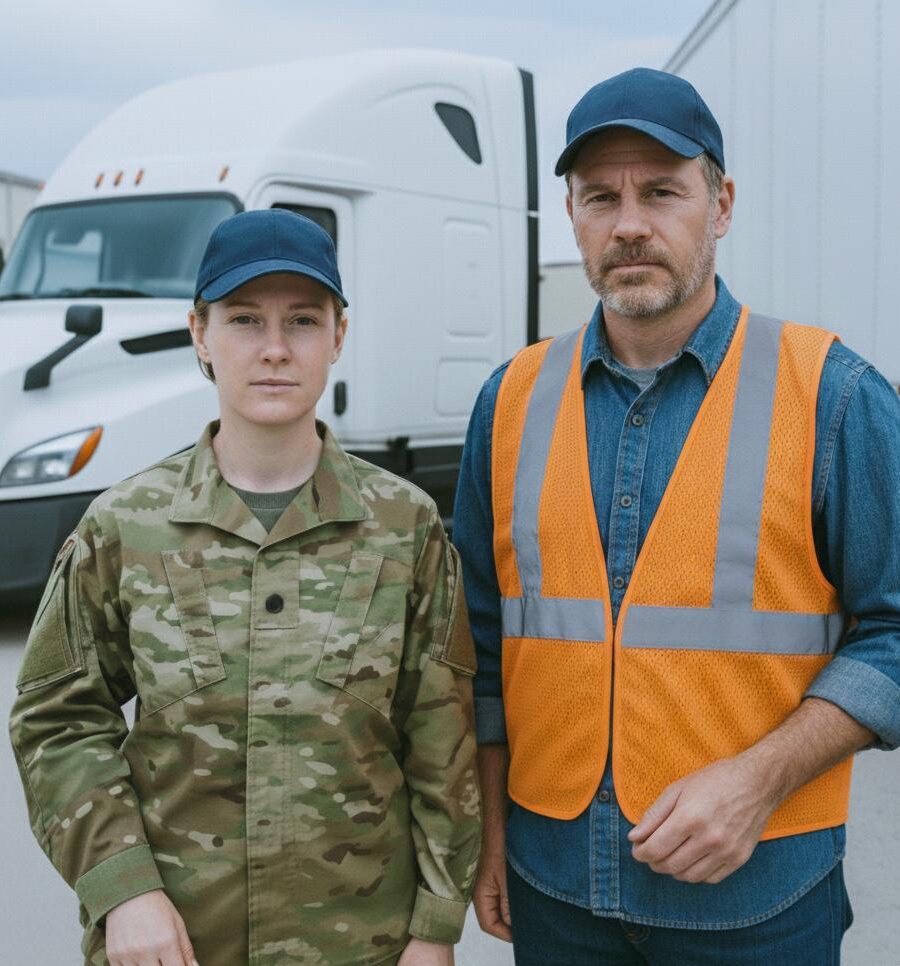
If you’re a dual-status military technician—balancing military duties with civilian technician responsibilities—you already live in two worlds. Now there’s movement at the federal level to expand CDL exemptions for people in your exact situation, recognizing the training and experience you bring from the military side.
For years, certain military personnel have been able to operate commercial-type vehicles without holding a standard CDL, under specific conditions. New proposals aim to broaden that exemption to include more dual-status technicians, reducing licensing barriers and making mission support smoother.
Who Qualifies — And Where Does It Get Complicated?
Good news brings questions. Who exactly qualifies? Are all vehicles covered, or only specific missions? What happens when policies differ between:
- State DMVs
- Military units
- Civilian employers
A technician might be told they’re exempt, then get pushback elsewhere. Or a tech moving into civilian trucking may find their experience doesn’t convert cleanly into CDL privileges.
This is where policy vs. real-world interpretation creates confusion.
Why CDL Consultants Are Valuable for Military Technicians
CDL Consultants understand both FMCSA rules and military exemptions. That combination means they can:
- Clarify whether an individual or role qualifies for exemptions
- Help employers and units write clear policy aligned with federal rules
- Assist techs whose exemptions are challenged or misinterpreted
- Prevent disqualification or violation due to misunderstanding
Military professionals shouldn’t lose job opportunities because of paperwork confusion.
Planning Your Civilian or Hybrid Career Path
If you’re a dual-status tech, ask:
- Will I stay in mixed military/civilian driving roles?
- Am I planning a full transition to civilian trucking?
- Do I understand where exemptions begin and end?
Knowing your status early prevents surprises later.
Your Service Should Work For You — Not Against You
You’ve already invested in supporting missions and maintaining readiness. With proper guidance, your military skill can be a strength—not a regulatory roadblock.
If issues arise, CDL Consultants can step in to resolve disputes, interpret exemptions, and protect your eligibility before it becomes a barrier to work.